

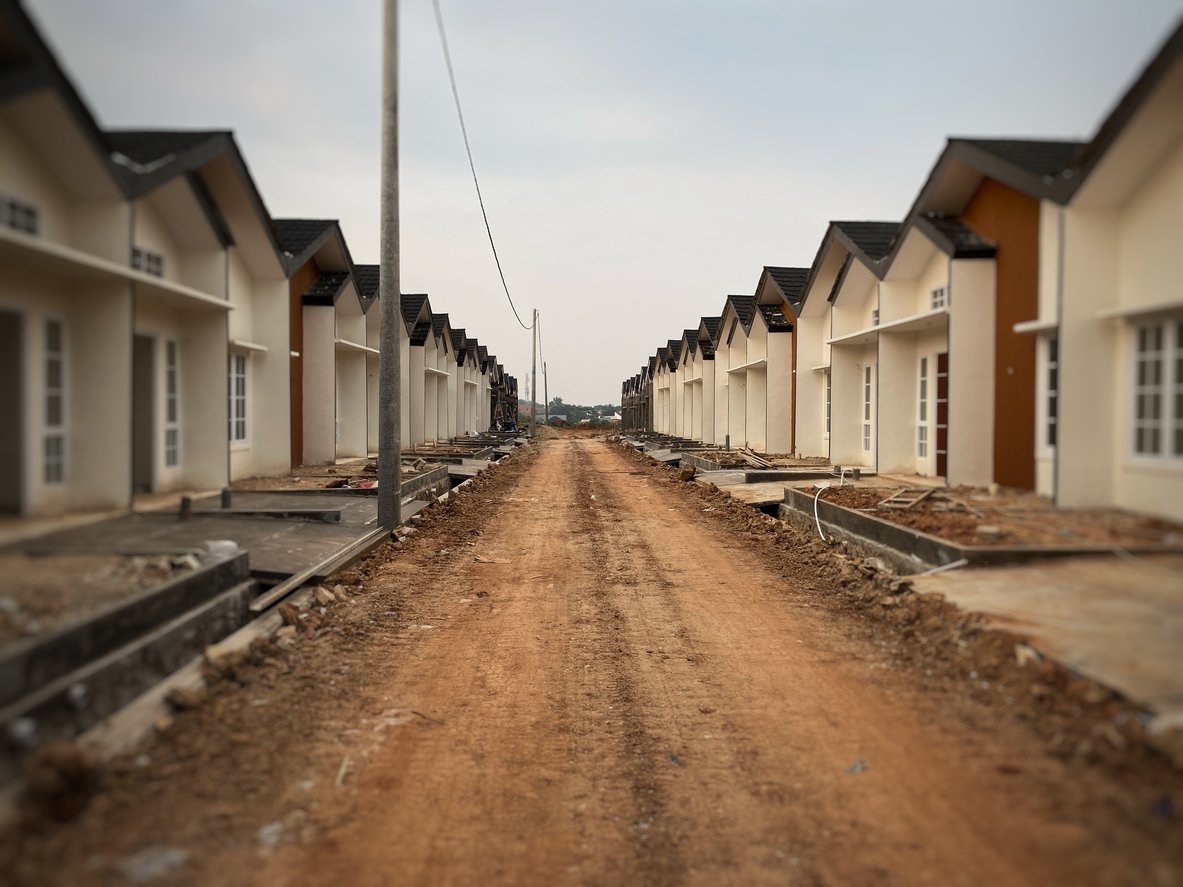
World Wide Housing Climate
According to the latest UN data, an alarming 1.6 billion people worldwide lack adequate housing—representing over 20% of the global population. This crisis continues to deepen as rapid urbanization, climate displacement, and regional conflicts drive unprecedented housing demands.
The UN Habitat II conference established critical frameworks for sustainable human settlements, emphasizing that adequate shelter is not just a basic need but a fundamental human right. Despite global commitments, the housing gap continues to widen in many regions.
The housing crisis disproportionately affects vulnerable populations, with women, children, and displaced communities bearing the heaviest burden. Without intervention, UN projections indicate this crisis will affect over 3 billion people by 2030.
Building International Partnerships & Governance
-

US Agency & Collaboration
Working directly with UN-Habitat and UNDP to integrate manufactured housing into sustainable development frameworks and humanitarian response planning.
-

Government Engagement
Partnering with national housing ministries to develop regulatory frameworks that support manufactured housing adoption while ensuring quality standards.
-
NGO Network
Coordinating with regional NGOs to ensure culturally appropriate implementation and community participation in housing design and deployment.